Being straight about it
Where We'd Tell You to Use Something Else.
We sell one material. It is very good at a particular set of jobs and it is not the answer to everything, and you would rather hear that from us than find out later.
Ask us first
Four Situations Worth a Conversation
None of these are automatic no's. They are the ones where we want to know what you are doing before you order, rather than after.
Anything carrying load
Framing, beams, joists, structural posts. Send us the application before you plan it in. We will tell you what our board is suited to, and where you need an engineered product instead. Eco Column is a separate, engineered product for exactly this reason.
Long unsupported runs
The further apart the supports, the more the material matters. Tell us the spacing you are working with and we will tell you whether it works before you buy the boards.
A spec we have to match
If a drawing or tender calls for a specific rating, certification or test standard, send it over. We will tell you plainly whether we meet it, including when we do not.
When you want it to look like wood
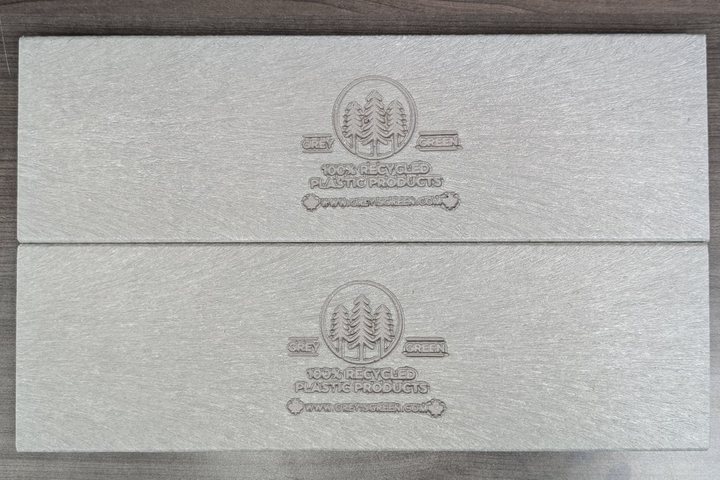
Up close it reads as what it is: solid plastic with a texture, not timber grain. If the look of real wood is the whole point of the project, buy real wood and enjoy it.
When the budget is the only thing that matters
If the job has to be done at the lowest possible price today, and it is somewhere dry and off the ground where timber will last a reasonable time, treated lumber will beat us on the invoice and we are not going to pretend otherwise.
Our argument only works over time. If the project is short-lived, temporary, or being replaced in five years anyway, that argument does not apply and you should not pay for it.
When it is going somewhere dry and sheltered
The properties people buy this material for (no water uptake, no rot, no splintering, nothing leaching) earn their keep in wet, buried, animal-adjacent and public places.
Under a covered porch that never gets rained on, most of that advantage sits unused. It will do the job perfectly well; it just is not where the material pays for itself.
See it compared with cedarWhere it is the right answer
The Wet End of the Build
Everything this material is good at points the same way: places that stay wet, get walked on, or nobody comes back to maintain.
- Docks and shoreline
- Submerged, frozen, baked and walked on barefoot, with nothing leaching into the water.
- Farm and fence
- Constant wet, manure and stock, where a timber rail rots from the bottom and splinters at the top.
- Public furniture
- Benches, tables and boardwalk where the crew days for refinishing do not exist.
- Decks and pool surrounds
- No grain, so nothing to splinter, however wet it gets or however long it has been there.
Not Sure If It Suits Your Job?
Describe it and we'll tell you honestly, including when the answer is that you want a different material.